“فيكسيت بهارات” 2047: خارطة طريق للتحول إلى دولة متقدمة ….
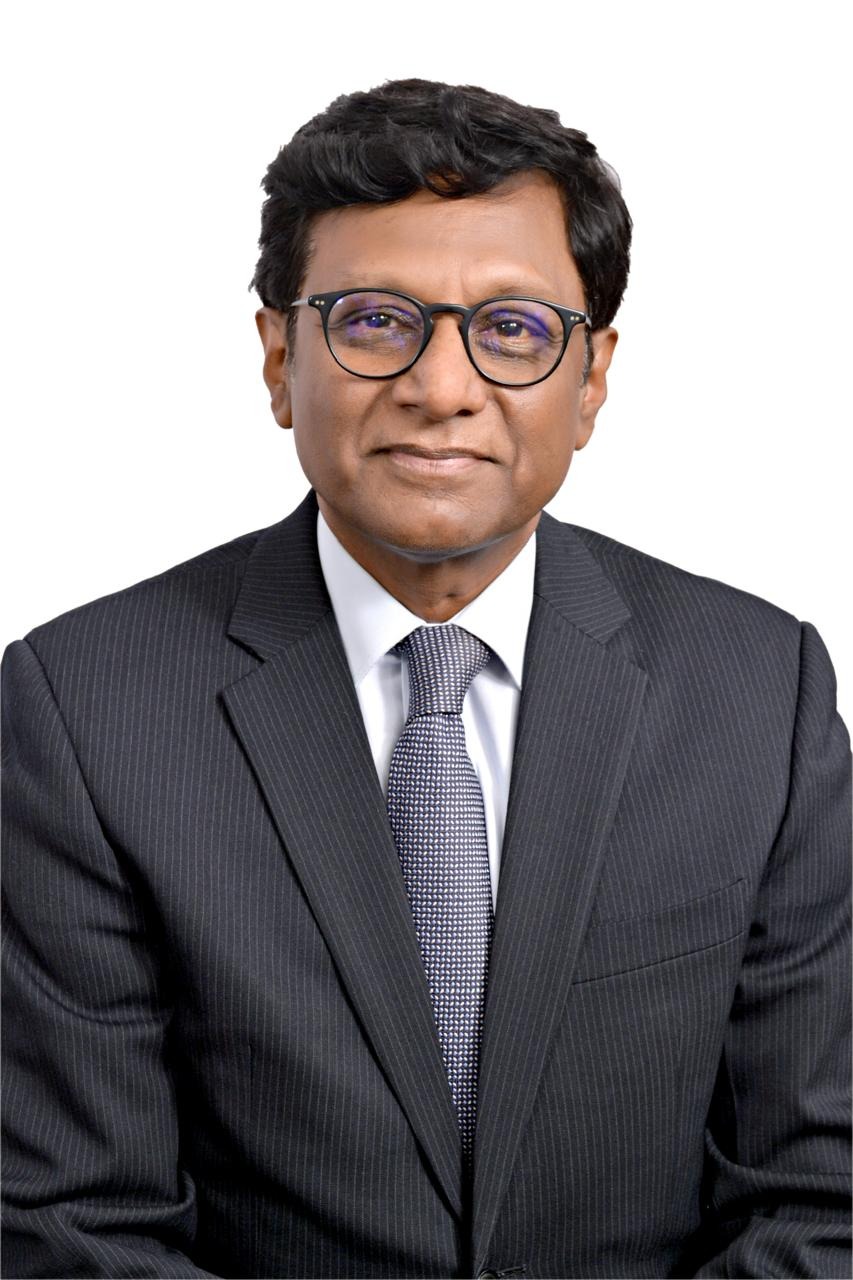
مقال بقلم السفير الدكتور موهان كومار
يُحسب للحكومة الهندية أنها وضعت لنفسها وللبلاد هدفاً جوهرياً، يتمثل في تحويل الهند إلى “فيكسيت بهارات” (Viksit Bharat) -أي الهند المتقدمة- بحلول عام 2047، وهو العام الذي يوافق الذكرى المئوية لاستقلال الهند. ورغم وجود اتفاق عام على أنّ مصطلح “فيكسيت بهارات” يشير إلى دولة متقدمة، إلاّ أنه لا يزال من الضروري لأغراض السياسة العامة تفكيك هذا المفهوم للوقوف على مضامينه وتفاصيله. وفي ما يلي محاولة للقيام بذلك.
*اقتصاد بحجم 10 تريليونات دولار:* في حين يحق للهند أن تفخر بكونها رابع أكبر اقتصاد في العالم من حيث الناتج المحلي الإجمالي، تظل الحقيقة أن ناتجها المحلي الحالي البالغ 4.5 ترليون دولار يُعد دون المستوى لمأمول بالنسبة لبلد يقترب عدد سكانه من 1.5 مليار نسمة. لذا، كي تصبح الهند دولة “متقدمة” (Viksit) بالمعنى الحقيقي للكلمة، يتعين أن ينمو ناتجها المحلي الإجمالي بشكل كبير ليصل إلى 10 تريليونات دولار على الأقل. وهذا هدف قابل للتحقيق تماماً إذا ما تمكنا من إنجاز أمرين: أولاً، تشكل التجارة الخارجية 40% من ناتجنا المحلي الإجمالي، وبالتالي لا بد أن تتضاعف حصتنا في التجارة الدولية؛ وتحديداً، ينبغي أن ترتفع حصتنا من الصادرات العالمية التي تحوم حالياً حول 2% لتصل إلى 10%. وثانياً، يجب أن تشهد الاستثمارات الأجنبية المباشرة لدينا -التي بلغت في العام الأخير ما يقل قليلاً عن 100 مليار دولار- نمواً هائلاً ومضاعفاً. ولتحقيق هذين الأمرين، يتعين على الحكومة الهندية تنفيذ إصلاحات اقتصادية جذرية تشمل قطاعات الأراضي، والعمالة، والطاقة، والزراعة، والبنية التحتية، فضلاً عن معالجة العقبات التنظيمية.
*النمو الاقتصادي الشامل:* لا شك في ضرورة تسريع وتيرة نمو الناتج المحلي الإجمالي -كما ذُكر آنفاً- إلا أن ذلك وحده لا يكفي. يجب أن يكون النمو شاملاً، بمعنى أن تصل ثماره إلى الفئات الأقل حظاً والقابعة في قاعدة الهرم الاجتماعي. لقد وضعت الحكومة برامج ممتازة، مثل مبادرة “برادان مانتري غاريب كاليان يوجانا” (Pradhan Mantri Garib Kalyan Yojana). ولكن ينبغي تجاوز ذلك ليصبح توفير فرص العمل للشباب أولوية وطنية قصوى تتبناها كل من الحكومة المركزية وحكومات الولايات. ونظراً لاستحالة قيام الحكومة وحدها -أو حتى القطاع المنظم- بتوفير كافة فرص العمل اللازمة، تبرز أهمية بالغة لتهيئة بيئة تمكّن الشباب من التحول إلى رواد أعمال ومبتكرين لفرص العمل، بدلاً من الاكتفاء بكونهم باحثين عن وظائف. ولا يمكن الاستمرار بمستويات التفاوت الاقتصادي الراهنة ولا بد من بذل الجهود لجعل المجتمع أكثر مساواة وعدالة.
*تنمية المهارات:* من المسلّم به أن نظامنا التعليمي يعتمد بشكل كبير على الحفظ والتلقين، ويُخرّج سنوياً آلاف الخريجين الذين قد لا يكونون مؤهلين للانخراط الفوري في سوق العمل. وفي هذا السياق، تكتسب مسألة تنمية مهارات الخريجين وإعادة تأهيلهم أهمية بالغة. ويجب التعامل مع مبادرات التدريب المهني، والتعاون بين قطاعي الصناعة والأوساط الأكاديمية، وتزويد الخريجين بالمهارات التقنية (بما في ذلك مهارات الذكاء الاصطناعي) باعتبارها أولويات قصوى تتطلب تضافر الجهود والعمل الجاد. كما يتعين زيادة الإنفاق على التعليم -سواء في القطاع العام أو الخاص- بشكل هائل، لا سيما في الولايات التي تقل مؤشراتها عن المعدل الوطني. وبالتوازي مع ذلك، يجب إيلاء أولوية قصوى لأنشطة البحث والتطوير في جميع المؤسسات المعنية. صحيحٌ أن تعداداً سكانياً يقارب 1.5 مليار نسمة يمكن أن يشكل “عائداً ديموغرافياً” للهند، ولكن هذا لا يتحقق إلا إذا كان السكان يتمتعون بالمهارات الكافية لمواجهة تحديات اقتصاد المعرفة.
*الصحة:* يشهد نظام الرعاية الصحية في الهند تحولاً جذرياً مدفوعاً بالتحول الرقمي وتوسيع البنية التحتية. ومع ذلك، لا تزال هناك تحديات قائمة ناجمة عن ارتفاع التكاليف الطبية وتزايد عبء الأمراض المزمنة. وقد بذلت الحكومة جهوداً كبيرة – مثل مبادرتي “أيوشمان بهارات” (Ayushman Bharat) و”أيوشمان أروغيا ماندير” (Ayushman Arogya Mandir) – التي كان لها أثر ملموس في توفير الرعاية الصحية في البلاد. كما تضاعفت أعداد المقاعد المتاحة في كليات الطب أكثر من مرتين منذ عام 2014، وذلك في مسعى لسد الفجوة بين أعداد الأطباء والمرضى. وبالتوازي مع ذلك، جرت محاولات ناجحة لترويج الهند كمركز عالمي للسياحة العلاجية. ورغم كل هذه الجهود، لا تزال هناك تحديات جسيمة، إذ لا يزال الإنفاق العام على الرعاية الصحية دون المستويات المأمولة. كما تواجه الهند خطر التحول إلى عاصمة عالمية لأمراض القلب والسكري. لذا، يتعين على الهند مواصلة عملية التحول الشامل في البنية التحتية للصحة العامة، لضمان توفير خدمات صحية يسهل الوصول إليها وبتكلفة معقولة وتتسم بالجودة العالية لغالبية السكان. وفي هذا السياق، تؤدي “البعثة الوطنية للصحة” (National Health Mission) دوراً يستحق الإشادة، غير أنها تحتاج إلى مزيد من التعزيز والتبسيط في آليات العمل.
*التنمية المستدامة:* لا ينبغي للهند أن تحذو حذو الدول الصناعية التي اتبعت مساراً عالي الانبعاثات الكربونية في التنمية، ولا حتى الصين التي لا تزال تحرق كميات من الفحم تفوق ما يحرقه بقية العالم مجتمعاً. وتُعد الهند اليوم الاقتصاد الرئيسي الوحيد الذي يمتلك إمكانية اتباع مسار منخفض الكربون للتحول إلى اقتصاد مرتفع الدخل قائم على التنمية المستدامة. وعلى الهند القيام بذلك ليس فقط استجابةً لرغبة العالم، بل لأن شعبها يستحق ذلك كحق أصيل.
*الخلاصة:* تتمتع الهند بالفعل بوضع يؤهلها لتصبح “فيكسيت بهارات” (الهند المتقدمة) بحلول عام 2047. غير أن البلاد بحاجة إلى العمل وفق نهج “وضع المهمة” (أي بتركيز عالٍ وتصميم حازم)، كما يتطلب الأمر اعتماد نهج حكومي شامل لضمان استنفاد كافة السبل وبذل أقصى الجهود في هذا المسعى الوطني. ومما لا شك فيه أن السنوات العشرين المقبلة ستكون الفترة الأكثر أهمية وحسماً في تاريخ الهند.
الدكتور موهان كومار هو سفير هندي سابق لدى فرنسا، ويشغل حالياً منصب عميد وأستاذ في جامعة “أو. بي. جيندال” العالمية. الآراء الواردة تعبر عن وجهة نظره الشخصية.
Article written by Ambassador Dr. Mohan Kumar
VIKSIT BHARAT 2047: A ROADMAP TO BECOME A DEVELOPED NATION
It is creditable that the Government of India has set for itself and the nation a crucial goal: That India should become Viksit Bharat by 2047, which would be the one hundredth year anniversary of India’s independence. While there is general agreement that the term Viksit Bharat denotes a developed country, it is still necessary for public policy purposes to break the concept down to know what it entails. What follows is an attempt to do so.
*A 10 trillion-dollar economy:* While India can be legitimately proud of being the fourth largest economy in terms of Gross Domestic Product (GDP) in the world, the fact remains that for a population that is approaching 1.5 billion, the present GDP of $4.5 trillion is a little below par. So, if India must become “Viksit” in the real sense of the term, the GDP must grow significantly to attain the figure of at least 10 trillion dollars. This is entirely achievable if we can do a couple of things. First, 40 per cent of our GDP is foreign trade, so our share of international trade must simply double. In particular, our share of global exports, which hovers around 2 per cent, should rise to 10 per cent. Second, our Foreign Direct Investment (FDI), which for the latest year is a little short of $ 100 billion, must also grow manifold. In order for the above two things to happen, Government of India must carry out deep seated economic reforms in areas such as land, labour, power, agriculture, infrastructure and regulatory obstacles.
*Inclusive Economic Growth:* While there is no question that the GDP must accelerate, as mentioned above, that alone is not enough. Growth must be inclusive which is to say that it must percolate to the downtrodden people who are at the bottom of the pyramid. The government has conceived excellent schemes such as the Pradhan Mantri Garib Kalyan Yojana. But going beyond that, job creation for the youth must become a national mantra for both the Central and State Governments. Since it is not possible for the Government alone or even the organized sector to provide all the jobs that are necessary, it is vitally important to enable an ecosystem where the youth become entrepreneurs and job creators rather than be mere job seekers. Present levels of economic inequality are unsustainable and efforts must be made to make the society much more egalitarian.
*Skilling:* It is well recognized that our education system relies heavily on rote learning and it churns out thousands of graduates every year who may not be immediately employable. In this context, skilling and re-skilling of graduates becomes crucial. The idea of vocational training, industry-academic collaboration and imparting tech skills (including Artificial Intelligence) for our graduates must assume mission-mode importance. Spending on education, in both the public and private sector must increase exponentially, especially in states that lag the national average. In parallel, Research and Development must be given prime importance in all relevant institutions. It is indeed true that a population that is close to 1.5 billion can be a demographic dividend for India. But that is true only if the population is skilled enough to face the challenges of a knowledge economy.
*Health:* India’s healthcare system is undergoing dramatic transformation, driven by digitalization and by infrastructure expansion. But challenges remain on account of rising medical costs and a growing chronic disease burden. Government has undertaken significant efforts such as Ayushman Bharat and Ayushman Arogya Mandir schemes which have made a big impact on providing healthcare in the country. Medical college seats have more than doubled since 2014, in an attempt to bridge the doctor-patient gap. Successful attempts have also been made to promote India as a global hub for medical tourism. Despite all this, serious challenges remain. Public spending on healthcare still lags desired levels. India also runs the risk of becoming the global capital for heart disease and diabetes. India therefore needs to continue its massive transformation of public health infrastructure to make it accessible, affordable and quality-driven for the vast majority of its population. The National Health Mission is doing a commendable job. It simply needs to be strengthened and streamlined.
*Sustainable Development:* India must not emulate the ways of either the industrialized countries which followed a high-carbon pathway to development or indeed that of China, which even today burns more coal than the rest of the world put together. India is the only major economy today which potentially has the possibility of following a low-carbon pathway to a high-income economy based on sustainable development. And India must do it not just because the world wants it to, but because the people of this country deserve it as a matter of right.
*Conclusion:* India is indeed well positioned to become Viksit Bharat by 2047. But the country needs to be on mission-mode and a whole-of-government approach is required to make sure that no stone is left unturned in this national endeavour. By any reckoning, the next twenty years will be the most crucial period in India’s history.
Dr Mohan Kumar is a former Indian Ambassador to France and currently Dean/Professor at O.P. Jindal Global University. Views are personal.